Looking for an ADA sign fabricator? Browse trusted fabricators specializing in creating high-quality ADA signs.
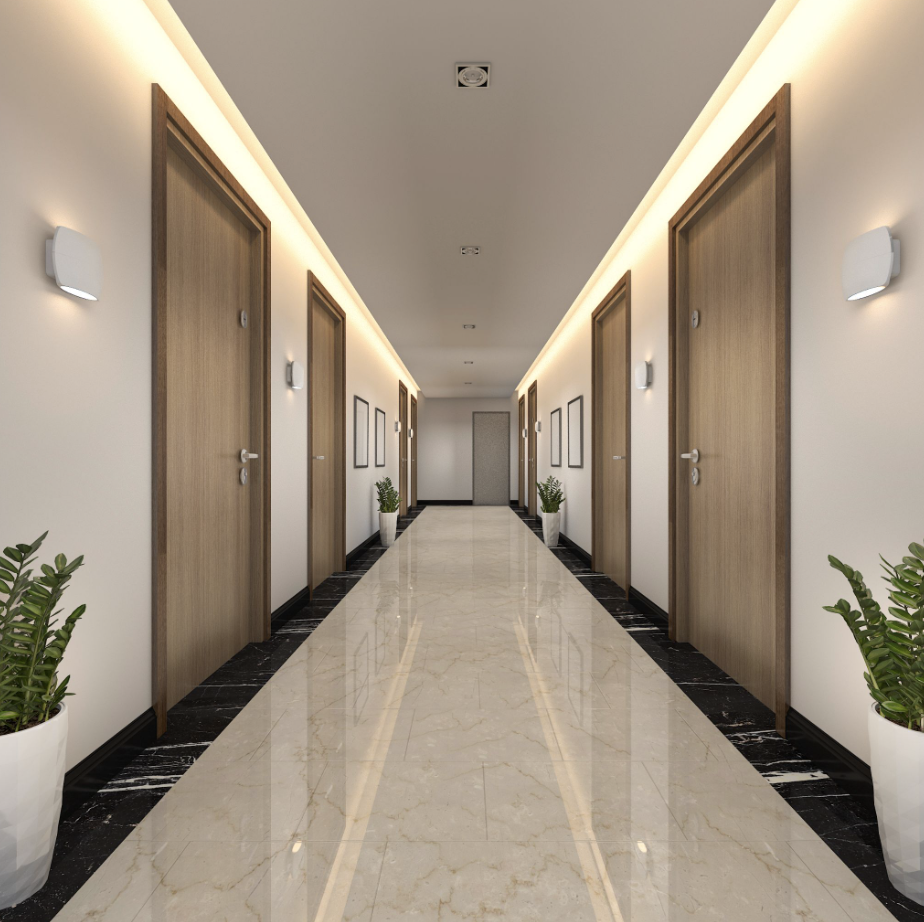
Hotel hallway in need of room numbering with durable photopolymer braille signs.

Reducing Rework: Room Numbering and Wayfinding Strategies That Stick

Rework is the silent budget killer in signage programs.

It doesn’t show up as a single catastrophic line item. It accumulates: a replacement order here, a site visit there, a client conversation that shouldn’t have been necessary. And when it traces back to material failure or a wayfinding system that wasn’t designed for the real conditions of a building, the cost lands on everyone involved: the architect, the fabricator, and the facility manager who has to explain to occupants why the signs look different from what they did at opening.

There’s a better way to approach this. It starts earlier in the design process than most signage conversations begin.

Why Room Numbering Systems Fail Before the Signs Even Age

The most preventable rework problems in wayfinding don’t come from bad materials. They come from system decisions made before a single sign is ordered.

Room numbering logic that isn’t coordinated with construction sequencing creates gaps. A numbering scheme that made sense on a schematic floor plan can break down when a building’s function shifts during design development. Expansion space that isn’t accounted for in the original numbering convention forces renumbering cascades that are expensive to correct in the field.

Sign architects who build flexibility into room numbering frameworks early, specifically by anticipating how a building’s tenant configuration or departmental layout might evolve, reduce downstream rework significantly. That means designing numbering conventions that allow for additions without renaming existing rooms, and coordinating with the project team before the signage specification is locked.

The Material Side of the Problem

Even a well-designed wayfinding system fails if the material doesn’t hold up to the environment it’s specified for.

This is where a lot of signage programs lose ground quietly. Interior ADA signs get installed in environments that are harder on materials than they look on paper. Healthcare facilities clean aggressively and often. Educational buildings take physical abuse from daily foot traffic. Hospitality environments prioritize appearance, which means cleaning schedules are frequent, and the chemical load is real.

Photopolymer materials perform meaningfully better in these conditions than many of the alternatives that sign architects commonly specify. Nova’s photopolymer is resistant to the cleaning agents used in institutional and commercial settings, doesn’t yellow under prolonged UV exposure in mixed interior-exterior applications, and maintains surface integrity through the kind of contact and cleaning cycles that degrade less durable materials over time.

For sign architects, that translates directly to fewer replacement orders. A material that holds up over the sign’s intended lifecycle isn’t just a quality decision; it’s a risk management decision. It reduces the probability that a client calls two years post-installation, asking why their signs look worn and whether they’re still ADA compliant.

Coordination Gaps That Drive Wayfinding Rework

If rework has a root cause in most signage programs, it’s the coordination timing.

Signage is often treated as a late-stage deliverable, the kind of scope that gets handed off after the real design decisions are made. That sequencing creates problems. Room numbers that conflict with base building systems, sign locations that weren’t coordinated with electrical or structural, mounting conditions that don’t match the specified hardware, these are all predictable outcomes of bringing the signage specification in too late.

Sign architects who push for earlier integration into the project schedule consistently report fewer field changes. Not zero, but fewer. The wayfinding design can respond to the actual building instead of a snapshot of the floor plan from six months prior.

A few specific coordination points that matter more than most checklists acknowledge:

Door hardware and swing clearances. Sign mounting location relative to latch side of door is an ADA requirement, and it’s one that generates rework when confirmed late in the process.

Lighting conditions at sign locations. A sign that reads well under design-intent lighting may not perform the same way in the built space. Confirming photometric conditions before finalizing materials and finishes saves field adjustments.

Construction phasing. In phased projects, room numbering installed in early phases needs to accommodate additions in later phases without creating a visual inconsistency across the building.

Specifying for the Full Lifecycle, Not Just Opening Day

The wayfinding systems that hold up best over time share a common characteristic: they were designed for the building’s life, not just its opening.

That means specifying materials with documented durability in comparable environments. It means building room numbering conventions that can accommodate change without requiring a full system revision. It also means considering how a sign program will be maintained, who will be responsible for updates, and whether replacement components will be available and consistent years after initial installation.

Nova’s photopolymer addresses the material side of that lifecycle equation directly. The material’s consistency across production runs ensures replacement signs match existing installations without visible variation. The durability means replacement frequency is lower. And the range of available finishes means the material works across the aesthetic requirements of different project types without forcing a compromise.

Designing Wayfinding Systems That Don't Generate Callbacks

The goal isn’t a perfect sign program. It’s a sign program that doesn’t generate callbacks.

That framing shifts the design conversation in useful ways. It asks not just whether the system looks right on opening day, but whether it will still perform two years in, whether the room numbering logic will survive a departmental reorganization, and whether the materials will hold up in the actual cleaning and use conditions of the building.

Those are the questions that separate wayfinding programs that stay on budget from the ones that don’t.

Nova Polymers’ photopolymer is built to answer the material side of that question. The system design side is where sign architects add the most value, and where early, deliberate decisions about room numbering strategy and material specification pay off most.

Want to spec Nova’s photopolymer into your next wayfinding program? Contact Nova Polymers for samples, technical documentation, or project support.
Share This Post
Related Posts
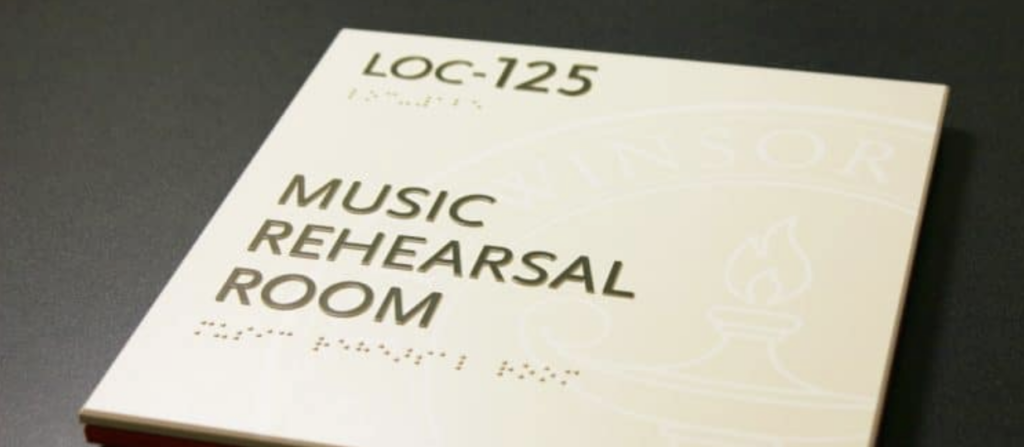
Close-up of tactile signage featuring raised Braille and textured characters, designed to assist visually impaired individuals in navigating public spaces.
January 24, 2025
Transforming Tactile Signage with Photopolymer
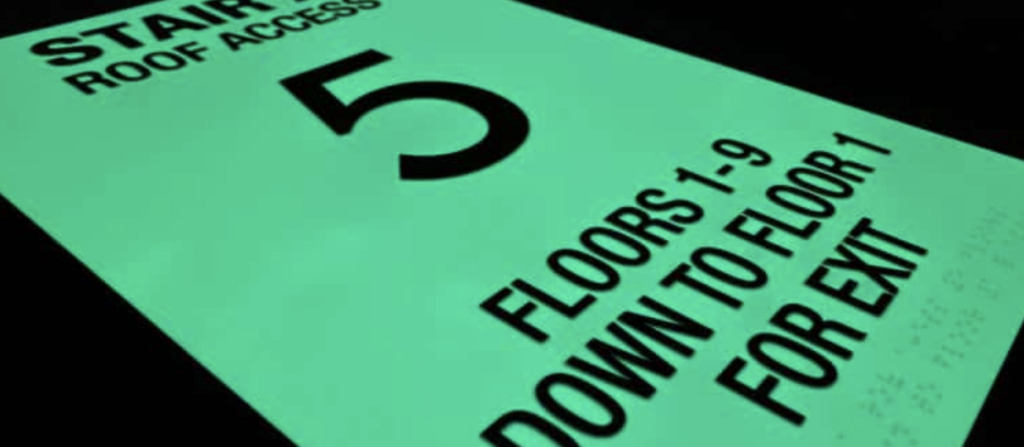
Close-up of a photoluminescent sign for a stairwell, glowing softly in low light conditions.
January 24, 2025
The Provided Safety of Photoluminescent Signs
Hotel hallway in need of room numbering with durable photopolymer braille signs.

Reducing Rework: Room Numbering and Wayfinding Strategies That Stick

Rework is the silent budget killer in signage programs.

It doesn’t show up as a single catastrophic line item. It accumulates: a replacement order here, a site visit there, a client conversation that shouldn’t have been necessary. And when it traces back to material failure or a wayfinding system that wasn’t designed for the real conditions of a building, the cost lands on everyone involved: the architect, the fabricator, and the facility manager who has to explain to occupants why the signs look different from what they did at opening.

There’s a better way to approach this. It starts earlier in the design process than most signage conversations begin.

Why Room Numbering Systems Fail Before the Signs Even Age

The most preventable rework problems in wayfinding don’t come from bad materials. They come from system decisions made before a single sign is ordered.

Room numbering logic that isn’t coordinated with construction sequencing creates gaps. A numbering scheme that made sense on a schematic floor plan can break down when a building’s function shifts during design development. Expansion space that isn’t accounted for in the original numbering convention forces renumbering cascades that are expensive to correct in the field.

Sign architects who build flexibility into room numbering frameworks early, specifically by anticipating how a building’s tenant configuration or departmental layout might evolve, reduce downstream rework significantly. That means designing numbering conventions that allow for additions without renaming existing rooms, and coordinating with the project team before the signage specification is locked.

The Material Side of the Problem

Even a well-designed wayfinding system fails if the material doesn’t hold up to the environment it’s specified for.

This is where a lot of signage programs lose ground quietly. Interior ADA signs get installed in environments that are harder on materials than they look on paper. Healthcare facilities clean aggressively and often. Educational buildings take physical abuse from daily foot traffic. Hospitality environments prioritize appearance, which means cleaning schedules are frequent, and the chemical load is real.

Photopolymer materials perform meaningfully better in these conditions than many of the alternatives that sign architects commonly specify. Nova’s photopolymer is resistant to the cleaning agents used in institutional and commercial settings, doesn’t yellow under prolonged UV exposure in mixed interior-exterior applications, and maintains surface integrity through the kind of contact and cleaning cycles that degrade less durable materials over time.

For sign architects, that translates directly to fewer replacement orders. A material that holds up over the sign’s intended lifecycle isn’t just a quality decision; it’s a risk management decision. It reduces the probability that a client calls two years post-installation, asking why their signs look worn and whether they’re still ADA compliant.

Coordination Gaps That Drive Wayfinding Rework

If rework has a root cause in most signage programs, it’s the coordination timing.

Signage is often treated as a late-stage deliverable, the kind of scope that gets handed off after the real design decisions are made. That sequencing creates problems. Room numbers that conflict with base building systems, sign locations that weren’t coordinated with electrical or structural, mounting conditions that don’t match the specified hardware, these are all predictable outcomes of bringing the signage specification in too late.

Sign architects who push for earlier integration into the project schedule consistently report fewer field changes. Not zero, but fewer. The wayfinding design can respond to the actual building instead of a snapshot of the floor plan from six months prior.

A few specific coordination points that matter more than most checklists acknowledge:

Door hardware and swing clearances. Sign mounting location relative to latch side of door is an ADA requirement, and it’s one that generates rework when confirmed late in the process.

Lighting conditions at sign locations. A sign that reads well under design-intent lighting may not perform the same way in the built space. Confirming photometric conditions before finalizing materials and finishes saves field adjustments.

Construction phasing. In phased projects, room numbering installed in early phases needs to accommodate additions in later phases without creating a visual inconsistency across the building.

Specifying for the Full Lifecycle, Not Just Opening Day

The wayfinding systems that hold up best over time share a common characteristic: they were designed for the building’s life, not just its opening.

That means specifying materials with documented durability in comparable environments. It means building room numbering conventions that can accommodate change without requiring a full system revision. It also means considering how a sign program will be maintained, who will be responsible for updates, and whether replacement components will be available and consistent years after initial installation.

Nova’s photopolymer addresses the material side of that lifecycle equation directly. The material’s consistency across production runs ensures replacement signs match existing installations without visible variation. The durability means replacement frequency is lower. And the range of available finishes means the material works across the aesthetic requirements of different project types without forcing a compromise.

Designing Wayfinding Systems That Don't Generate Callbacks

The goal isn’t a perfect sign program. It’s a sign program that doesn’t generate callbacks.

That framing shifts the design conversation in useful ways. It asks not just whether the system looks right on opening day, but whether it will still perform two years in, whether the room numbering logic will survive a departmental reorganization, and whether the materials will hold up in the actual cleaning and use conditions of the building.

Those are the questions that separate wayfinding programs that stay on budget from the ones that don’t.

Nova Polymers’ photopolymer is built to answer the material side of that question. The system design side is where sign architects add the most value, and where early, deliberate decisions about room numbering strategy and material specification pay off most.

Want to spec Nova’s photopolymer into your next wayfinding program? Contact Nova Polymers for samples, technical documentation, or project support.

Share This Post
Related Posts
Close-up of tactile signage featuring raised Braille and textured characters, designed to assist visually impaired individuals in navigating public spaces.
January 24, 2025
Transforming Tactile Signage with Photopolymer
Close-up of a photoluminescent sign for a stairwell, glowing softly in low light conditions.
January 24, 2025
The Provided Safety of Photoluminescent Signs