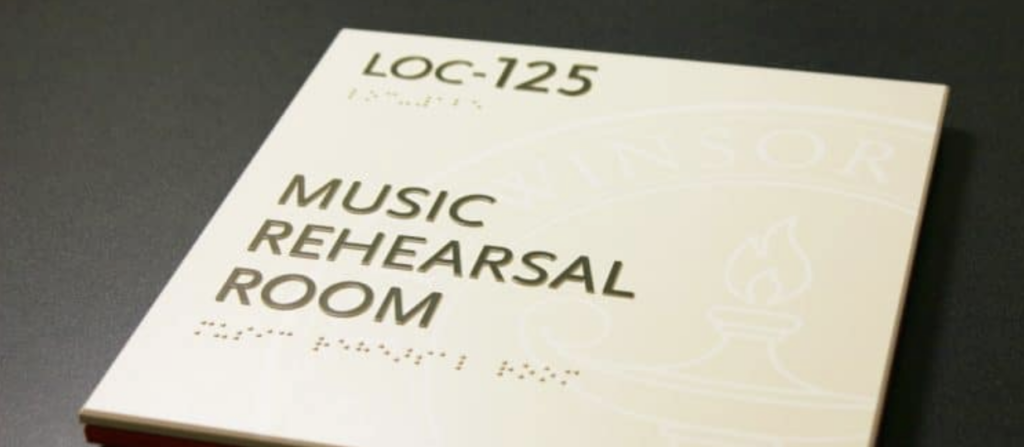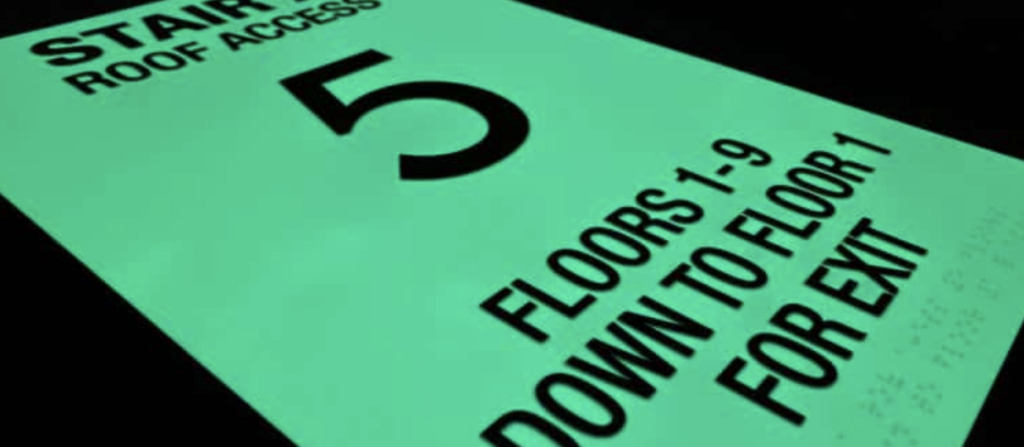
You’ve built a beautiful sign. It ships, it installs, it looks exactly right. Then six months later, a photo lands in your inbox. The surface is yellowed. The braille dome field is hazy. Someone ran a cleaning crew through with bleach-based solution, and the sign looks like it spent a decade in a Florida parking garage.
This is the quiet problem that doesn’t show up in a spec sheet.
Why Exterior Grade Polymers Change the Game for Sign Fabricators
Most braille signage materials aren’t built for what real-world environments actually throw at them. UV exposure, industrial cleaners, humidity cycles, and physical contact from hands and carts add up faster than most fabricators expect. The result is premature failure that reflects on your work, not the material.
That’s the problem Nova Polymers set out to solve.
What "Exterior Grade" Actually Has to Mean
The term gets thrown around loosely. But for sign fabricators, exterior grade polymers need to meet a specific set of demands, not just survive a few rounds of accelerated lab testing.
Real exterior durability means:
UV resistance that doesn’t degrade color or surface integrity over years of sun exposure. Inferior materials yellow because UV light breaks down their chemical structure at the molecular level. Once that process starts, it doesn’t reverse.
Resistance to the cleaning chemicals used in actual facilities. Hospitals, transit stations, schools, and commercial buildings are cleaned aggressively. Quaternary ammonium compounds, bleach solutions, and alcohol-based sprays are standard. A material that can’t survive a regular cleaning schedule isn’t fit for the environments where ADA signage is mandated.
Dimensional stability under thermal cycling. Outdoor signs expand and contract. A polymer that creeps, warps, or delaminates under thermal stress creates gaps, bubbles, and edge failures that are impossible to miss on a finished surface.
Nova’s photopolymer is engineered to meet all of these demands. That’s not a marketing position; it’s what fabricators report back after years of field use.
Why Exterior Grade Photopolymer Outperforms Traditional Braille Materials
Raster braille, acrylic overlays, and adhesive dome systems all share a common weakness: their durability ceiling is lower than most fabricators realize until they run into it.
Adhesive dome systems are vulnerable to cleaning solvents that attack the bond layer. Acrylic materials scratch and yellow with UV exposure, which is a well-documented issue in any climate with meaningful sun. Raster-based surfaces can absorb moisture and degrade from repeated chemical contact.
Nova’s photopolymer takes a different approach. The material itself is UV-stable, meaning color integrity holds even after prolonged outdoor exposure. It doesn’t rely on a separate adhesive layer that can fail. And the surface chemistry resists penetration from the cleaning agents used in commercial and institutional environments.
For fabricators, that difference shows up in two places: callbacks and reputation. Signs that hold up don’t generate service calls. They generate referrals.
Built for the Conditions Sign Specs Don't Always Anticipate
Here’s what specs rarely capture: where a sign actually ends up.
A hospital entrance sign faces direct western sun for four to six hours a day in summer. A transit platform sign gets sprayed down with industrial degreasers on a weekly cycle. A university exterior wayfinding installation sits through freeze-thaw cycles for a decade. These aren’t edge cases; they’re the norm for any fabricator working across multiple market segments.
Exterior grade polymers from Nova are tested for these conditions. The photopolymer maintains its color and surface texture without the yellowing, haziness, or dome degradation that shows up in competing materials over time. It’s designed for the sign’s full lifecycle, not just initial installation.
That matters because ADA compliance isn’t a one-time event. A sign that degrades to the point where tactile elements are no longer readable isn’t compliant anymore, which creates liability exposure for building owners and reputational risk for the fabricator who specified the wrong material.
What Fabricators Are Actually Saying
The feedback from fabricators who’ve switched to Nova’s photopolymer tends to land on the same few points. The surface holds up in exterior applications where previous materials didn’t. It doesn’t yellow. It survives cleaning cycles without visible degradation. And the rework rate drops.
That last point is worth sitting with. Rework is expensive in ways that don’t always show up as a line item. It’s the technician time, the reorder cost, the site visit, and the conversation with a client who expected the sign to look the same in year five as it did in year one.
Specifying the right material at the start eliminates most of that exposure.
The Bottom Line for Sign Fabricators
If your clients are specifying exterior ADA signage, or if you’re building for any environment where cleaning chemicals and UV exposure are facts of life, the material you choose matters more than most spec conversations acknowledge.
Nova’s exterior grade polymers are built for what signs actually face. Not what they face in a showroom. Not what they face in a six-week accelerated test. What they face over the years of real-world use in demanding environments.
That’s what durability actually looks like.
Interested in speccing Nova’s photopolymer for your next exterior project? Contact Nova Polymers to request samples or talk through material options for your application.