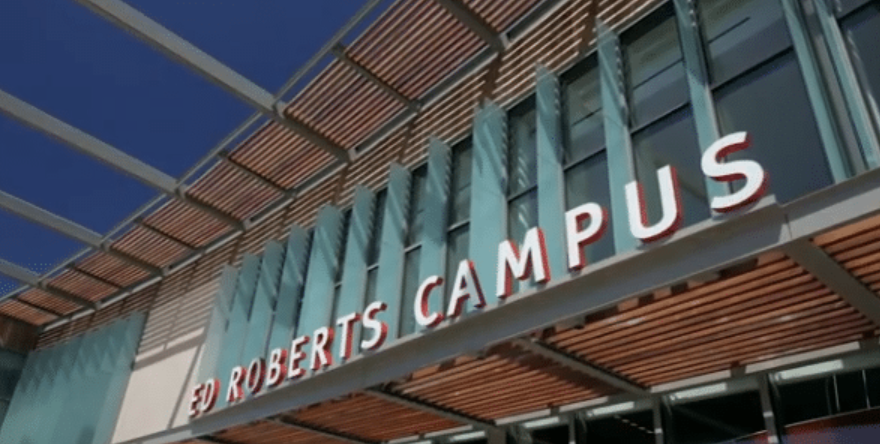
Image of the Ed Roberts Campus, showcasing its accessible design features and inviting entrance that exemplifies universal design principles.

Universal Design at the Ed Roberts Campus: A Model for Accessibility

The Ed Roberts Campus is the first of its kind in the United States. It is located at a fully accessible transit hub and serves as a national and international model for universal design and disability rights. This pioneering building is dedicated to universal access, setting a new standard for inclusive architecture. As William Leddi, FAIA, stated, “This building expresses the idea that good design is a fundamental justice issue; everyone deserves a dignified space to work and an inspiring place to let them work.”

Universal Design at the Core

The Ed Roberts Campus was designed with universal design principles, considering people of all abilities and their unique needs. The design intentionally avoids creating barriers, allowing individuals to navigate the building freely and independently. The architects prioritized creating an environment where people, regardless of ability, could enter and exit without negotiation.

For instance, the building’s floor features different textures to guide visually impaired individuals to the front door while ensuring that these textures do not create obstacles for wheelchair users. This seamless integration of accessibility shows how universal design can cater to diverse needs without compromising functionality or aesthetics.

Moving Beyond a "Hospital Look"

One of the major concerns in designing the Ed Roberts Campus was avoiding a clinical or hospital-like appearance, which is often associated with accessible buildings. Instead, the architects aimed to create a beautiful, welcoming, and functional space that could be used by people with a wide range of abilities. The result is a building that not only meets accessibility requirements but elevates universal design to a creative and artistic level.

Universal Design as the New Standard

The Ed Roberts Campus aims to bring universal design to the forefront of architectural standards, much like green design has become a mainstream concern. The architects and designers behind the campus viewed the project not as a limitation but as an opportunity to innovate and push the boundaries of what inclusive architecture can achieve.

This building now stands as an iconic example of how universal design and sustainable design can create spaces that adapt to the needs of all people, rather than forcing people to adapt to the built environment. It’s a powerful reminder that inclusive design is not just a matter of function but a matter of justice and creativity.

The Ed Roberts Campus continues to inspire architects and designers worldwide, showcasing how universal design can enhance everyone’s quality of life.
Share This Post
Related Posts
Close-up of tactile signage featuring raised Braille and textured characters, designed to assist visually impaired individuals in navigating public spaces.
January 24, 2025
Transforming Tactile Signage with Photopolymer
Close-up of a photoluminescent sign for a stairwell, glowing softly in low light conditions.
January 24, 2025
The Provided Safety of Photoluminescent Signs
Image of the Ed Roberts Campus, showcasing its accessible design features and inviting entrance that exemplifies universal design principles.

Universal Design at the Ed Roberts Campus: A Model for Accessibility

The Ed Roberts Campus is the first of its kind in the United States. It is located at a fully accessible transit hub and serves as a national and international model for universal design and disability rights. This pioneering building is dedicated to universal access, setting a new standard for inclusive architecture. As William Leddi, FAIA, stated, “This building expresses the idea that good design is a fundamental justice issue; everyone deserves a dignified space to work and an inspiring place to let them work.”

Universal Design at the Core

The Ed Roberts Campus was designed with universal design principles, considering people of all abilities and their unique needs. The design intentionally avoids creating barriers, allowing individuals to navigate the building freely and independently. The architects prioritized creating an environment where people, regardless of ability, could enter and exit without negotiation.

For instance, the building’s floor features different textures to guide visually impaired individuals to the front door while ensuring that these textures do not create obstacles for wheelchair users. This seamless integration of accessibility shows how universal design can cater to diverse needs without compromising functionality or aesthetics.

Moving Beyond a "Hospital Look"

One of the major concerns in designing the Ed Roberts Campus was avoiding a clinical or hospital-like appearance, which is often associated with accessible buildings. Instead, the architects aimed to create a beautiful, welcoming, and functional space that could be used by people with a wide range of abilities. The result is a building that not only meets accessibility requirements but elevates universal design to a creative and artistic level.

Universal Design as the New Standard

The Ed Roberts Campus aims to bring universal design to the forefront of architectural standards, much like green design has become a mainstream concern. The architects and designers behind the campus viewed the project not as a limitation but as an opportunity to innovate and push the boundaries of what inclusive architecture can achieve.

This building now stands as an iconic example of how universal design and sustainable design can create spaces that adapt to the needs of all people, rather than forcing people to adapt to the built environment. It’s a powerful reminder that inclusive design is not just a matter of function but a matter of justice and creativity.

The Ed Roberts Campus continues to inspire architects and designers worldwide, showcasing how universal design can enhance everyone’s quality of life.

Share This Post
Related Posts
Close-up of tactile signage featuring raised Braille and textured characters, designed to assist visually impaired individuals in navigating public spaces.
January 24, 2025
Transforming Tactile Signage with Photopolymer
Close-up of a photoluminescent sign for a stairwell, glowing softly in low light conditions.
January 24, 2025
The Provided Safety of Photoluminescent Signs