Nova Polymers helps sign architects and fabricators create ADA braille gender neutral restroom signs with ease.

Beyond ADA Braille: Gender Neutral Restroom Signs

As awareness of inclusivity and accessibility grows, new regulations surrounding restroom signage are emerging that go beyond the traditional Federal ADA guidelines. To keep you informed, Nova Polymers empowers fabricators, architects, and designers with the latest knowledge to ensure ADA braille compliance and optimize design workflows, particularly when it comes to gender neutral restroom signs.

The Growing Importance of Gender Neutral Restroom Signs

While the ADAAG (Americans with Disabilities Act Accessibility Guidelines) provides clear standards for restroom signs, many states have introduced new regulations requiring gender-neutral restroom signs for single-occupant restrooms. This push is driven by the desire for equal access and inclusivity, ensuring that all public single-user restrooms are open to everyone, regardless of their gender identity.

What Are Gender Neutral Restrooms?

Gender-neutral restrooms are single-occupancy bathrooms accessible to all individuals, regardless of gender identity. These restrooms typically include one lavatory, one sink, and a lockable door. To comply with ADA braille regulations, these public single-user restrooms must be equipped with correct ADA-compliant wayfinding signage.

Why Are Gender Neutral Restrooms Important?

Gender-neutral restrooms play a crucial role in promoting equal access and inclusivity within public spaces, businesses, and facilities. These restrooms not only accommodate the LGBTQ+ and non-gender-conforming community but also support parents and caregivers of the opposite sex who need to provide care. Gender-neutral restrooms are designed to be accessible to anyone, making them essential in today’s society.

In recent years, states and cities across the country, including California, Vermont, Illinois, Washington D.C., and New York, have passed laws supporting an individual’s right to use a public restroom that aligns with their gender identity. The International Code Council (ICC) has also updated its building and plumbing codes to require that all public single-user toilets have signage indicating they are accessible to everyone, regardless of sex.

Regulations for ADA-Compliant Gender Neutral Restroom Signs

Neutral Wording

Gender neutral restroom signs must use neutral wording. Terms like “restroom” or “bathroom” are generally approved, while phrases like “All Gender,” “Unisex,” and “Gender Neutral” may be acceptable in some jurisdictions but not all. For instance, Illinois’s HB3589 specifies that exterior signage should not indicate any specific gender, even in neutral terms.

Pictograms

Most states and cities do not require or specify pictograms for public gender neutral restroom signs. However, some jurisdictions caution against certain images. For example, San Francisco advises against using pictograms that combine male and female symbols, as they may be considered inappropriate or misleading by those who do not identify with a specific gender.

International Symbol of Access

Pictograms are mandatory for accessible restrooms. A minimum 6-inch length is recommended for the image portion of signs to ensure visibility and compliance.
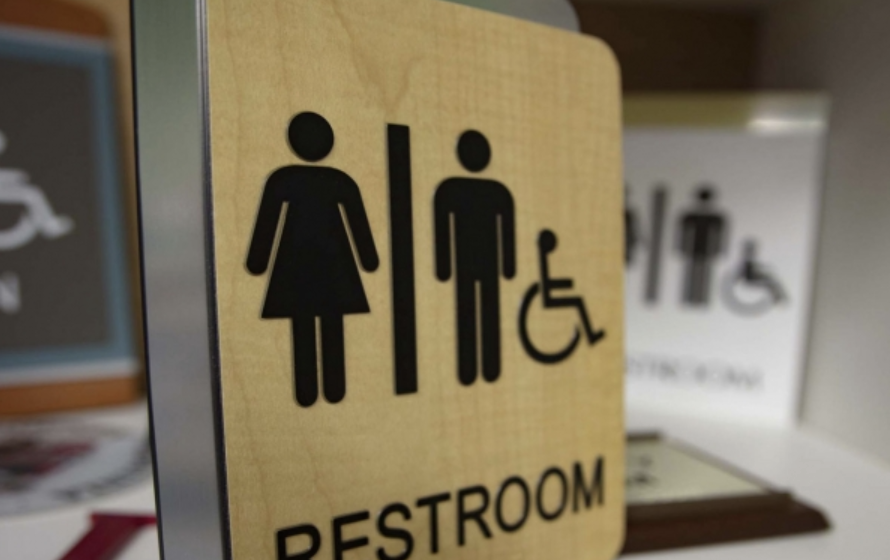
A modern, ADA compliant gender neutral restroom sign, clearly marked to ensure accessibility and inclusivity for all individuals.

How Nova Polymers Can Help

As the demand for public unisex bathrooms increases, so does the need for ADA-compliant gender neutral restroom signs. Using all-gender signs communicates a commitment to inclusivity and accessibility, helping to shape a more inclusive society.
Share This Post
Related Posts
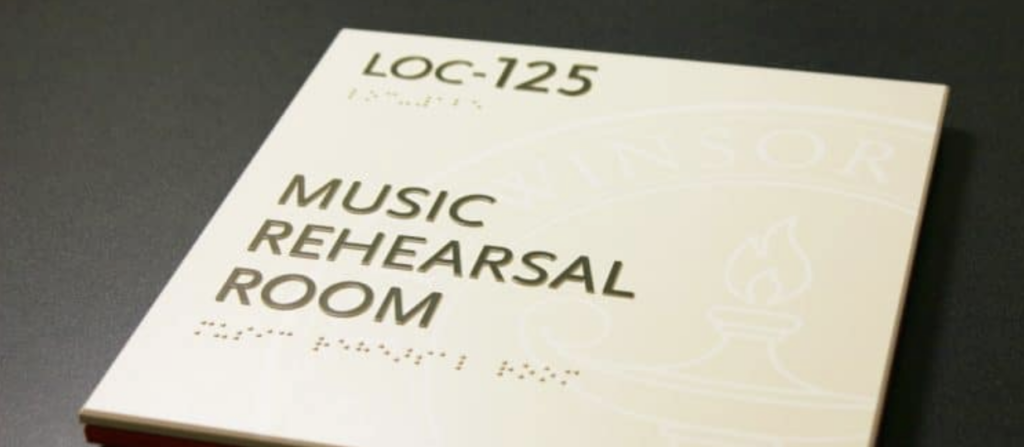
Close-up of tactile signage featuring raised Braille and textured characters, designed to assist visually impaired individuals in navigating public spaces.
January 24, 2025
Transforming Tactile Signage with Photopolymer
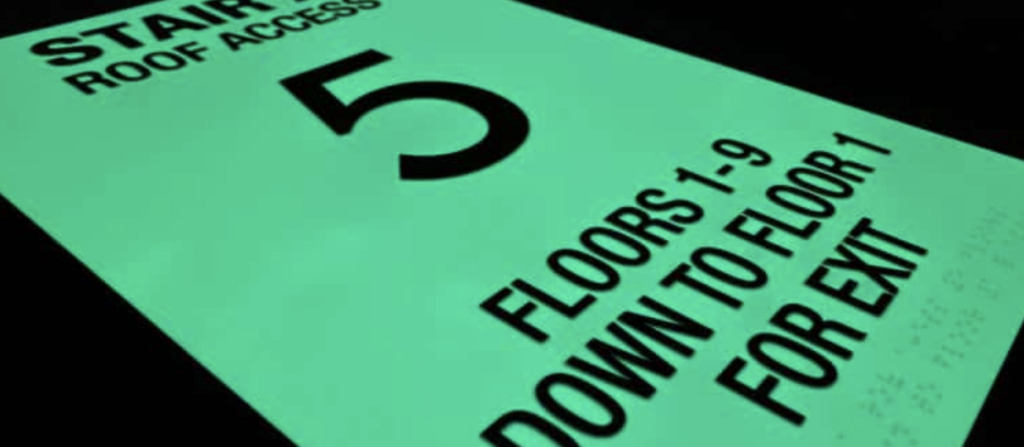
Close-up of a photoluminescent sign for a stairwell, glowing softly in low light conditions.
January 24, 2025
The Provided Safety of Photoluminescent Signs
Nova Polymers helps sign architects and fabricators create ADA braille gender neutral restroom signs with ease.

Beyond ADA Braille: Gender Neutral Restroom Signs

As awareness of inclusivity and accessibility grows, new regulations surrounding restroom signage are emerging that go beyond the traditional Federal ADA guidelines. To keep you informed, Nova Polymers empowers fabricators, architects, and designers with the latest knowledge to ensure ADA braille compliance and optimize design workflows, particularly when it comes to gender neutral restroom signs.

The Growing Importance of Gender Neutral Restroom Signs

While the ADAAG (Americans with Disabilities Act Accessibility Guidelines) provides clear standards for restroom signs, many states have introduced new regulations requiring gender-neutral restroom signs for single-occupant restrooms. This push is driven by the desire for equal access and inclusivity, ensuring that all public single-user restrooms are open to everyone, regardless of their gender identity.

What Are Gender Neutral Restrooms?

Gender-neutral restrooms are single-occupancy bathrooms accessible to all individuals, regardless of gender identity. These restrooms typically include one lavatory, one sink, and a lockable door. To comply with ADA braille regulations, these public single-user restrooms must be equipped with correct ADA-compliant wayfinding signage.

Why Are Gender Neutral Restrooms Important?

Gender-neutral restrooms play a crucial role in promoting equal access and inclusivity within public spaces, businesses, and facilities. These restrooms not only accommodate the LGBTQ+ and non-gender-conforming community but also support parents and caregivers of the opposite sex who need to provide care. Gender-neutral restrooms are designed to be accessible to anyone, making them essential in today’s society.

In recent years, states and cities across the country, including California, Vermont, Illinois, Washington D.C., and New York, have passed laws supporting an individual’s right to use a public restroom that aligns with their gender identity. The International Code Council (ICC) has also updated its building and plumbing codes to require that all public single-user toilets have signage indicating they are accessible to everyone, regardless of sex.

Regulations for ADA-Compliant Gender Neutral Restroom Signs

Neutral Wording

Gender neutral restroom signs must use neutral wording. Terms like “restroom” or “bathroom” are generally approved, while phrases like “All Gender,” “Unisex,” and “Gender Neutral” may be acceptable in some jurisdictions but not all. For instance, Illinois’s HB3589 specifies that exterior signage should not indicate any specific gender, even in neutral terms.

Pictograms

Most states and cities do not require or specify pictograms for public gender neutral restroom signs. However, some jurisdictions caution against certain images. For example, San Francisco advises against using pictograms that combine male and female symbols, as they may be considered inappropriate or misleading by those who do not identify with a specific gender.

International Symbol of Access

Pictograms are mandatory for accessible restrooms. A minimum 6-inch length is recommended for the image portion of signs to ensure visibility and compliance.

A modern, ADA compliant gender neutral restroom sign, clearly marked to ensure accessibility and inclusivity for all individuals.

How Nova Polymers Can Help

As the demand for public unisex bathrooms increases, so does the need for ADA-compliant gender neutral restroom signs. Using all-gender signs communicates a commitment to inclusivity and accessibility, helping to shape a more inclusive society.

Share This Post
Related Posts
Close-up of tactile signage featuring raised Braille and textured characters, designed to assist visually impaired individuals in navigating public spaces.
January 24, 2025
Transforming Tactile Signage with Photopolymer
Close-up of a photoluminescent sign for a stairwell, glowing softly in low light conditions.
January 24, 2025
The Provided Safety of Photoluminescent Signs