ADA-compliant signage is more than a finishing touch; it’s an integral part of inclusive architectural design. Whether you’re planning healthcare, educational, or commercial spaces, understanding ADA sign standards ensures accessibility is built into every phase of your project.
Below, we’ll highlight the essentials of ADA sign design in 2026, from compliant fonts and braille to precise placement, so your specifications support both compliance and design excellence.
What Are ADA Sign Design Standards?
The Americans with Disabilities Act (ADA) sets clear guidelines to promote accessibility within architectural environments.
ADA sign design focuses on legibility, tactile accessibility, and correct placement for permanent rooms, restrooms, exits, and wayfinding.
By applying ADA standards during the design and documentation stages, architects can ensure that signage not only meets compliance but also enhances overall user experience and building functionality.
What Are ADA-Compliant Fonts?
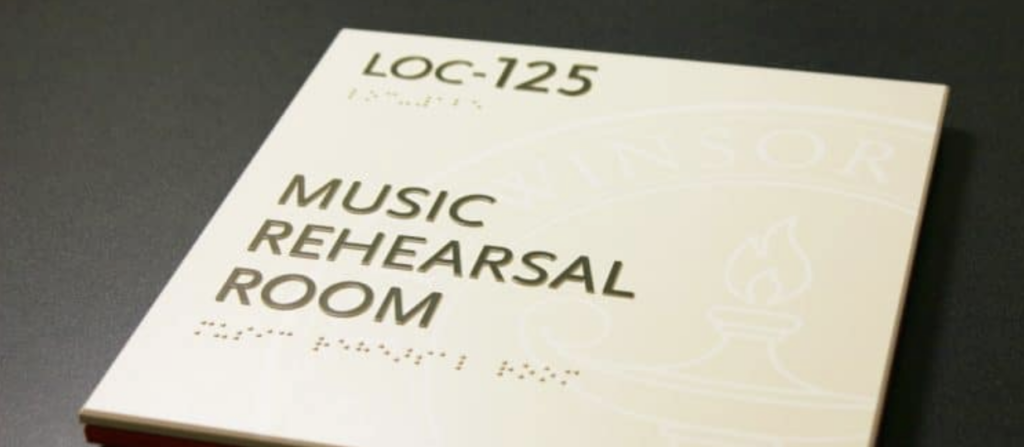
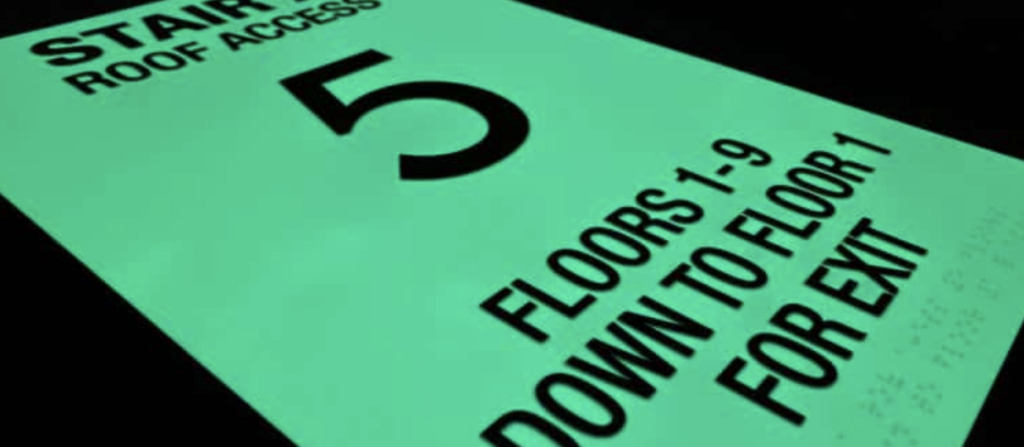
Typography and contrast play a critical role in sign readability. The right font selection ensures content is legible from all angles and tactually accurate.
Key 2026 ADA font guidelines include:
- Use Sans Serif Fonts: Helvetica, Arial, or Futura offer clarity and compliance.
- Ensure High Contrast: Maintain light text on a dark background or the reverse.
- Avoid Italics, Condensed, or Extended Fonts: This improves tactile readability.
- Maintain Proper Character Height: 5/8 inch (16 mm) to 2 inches (51 mm), depending on viewing distance.
Early specification of compliant typography supports both code adherence and design cohesion.
What Are Braille Sign Requirements?
Braille is an essential element of ADA signage, requiring accuracy and attention to placement.
Current 2026 standards include:
- Type: Grade 2 Braille with contractions.
- Placement: Centered horizontally beneath the corresponding text.
- Dot Height and Spacing: Must follow ADA-defined dimensions.
- Capitalization: Follow ADA capitalization rules to avoid reading errors.
Architects can ensure precision by partnering with qualified fabricators who use durable photopolymer materials that meet ADA guidelines.
What Is Correct ADA Sign Placement?
Even the most thoughtfully designed sign falls short if installed incorrectly. Architects should specify exact mounting locations within construction documents to ensure compliant placement.
Placement requirements for tactile signs include:
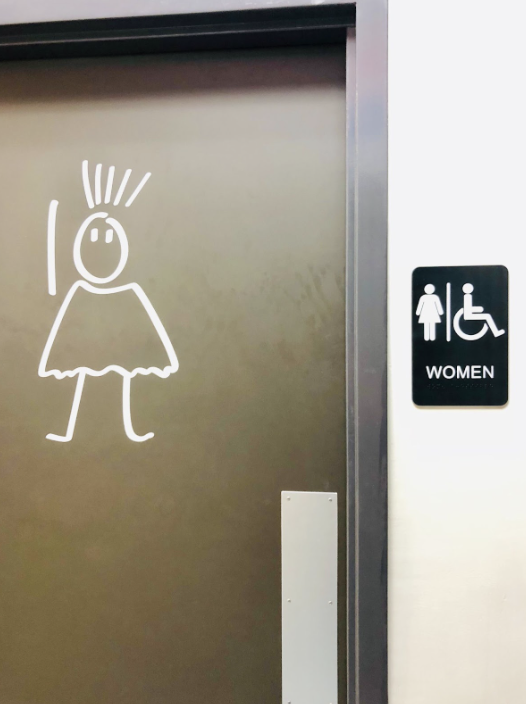
- Height: 48–60 inches above the finished floor to the baseline of the tactile characters.
- Location: On the latch side of the door, free from obstructions.
- Quantity: One per permanent room, featuring tactile text and braille.
Integrating placement notes in your drawings helps ensure installation accuracy during construction.
Key 2026 ADA Updates for Signage
Design trends in 2026 emphasize aesthetics and performance — such as sustainable photopolymer materials, integrated design solutions, and options compatible with LEED certification. Photopolymers from Nova Polymers, including the Novacryl® PT™ Series, provide long-term durability and design versatility that align with both ADA and architectural standards.
Partner with Nova Polymers for ADA-Compliant Specifications
As the global leader in photopolymer materials, Nova Polymers partners with architects to simplify ADA sign specification. Access tools, documentation, and continuing education that ensure your projects meet accessibility standards without compromising design intent.
Ready to specify ADA-compliant materials?
Contact Nova Polymers to explore architectural resources, approved materials, and design guides.